Protect your time and money claims when disruption hits
The Conflict-Impact Series — four in-depth guides on force majeure, delay and disruption from Masin's delay and quantum experts.
- ✓ Four expert guides in one download
- ✓ New releases before they go public
- ✓ Grounded in the SCL Protocol and how tribunals weigh evidence
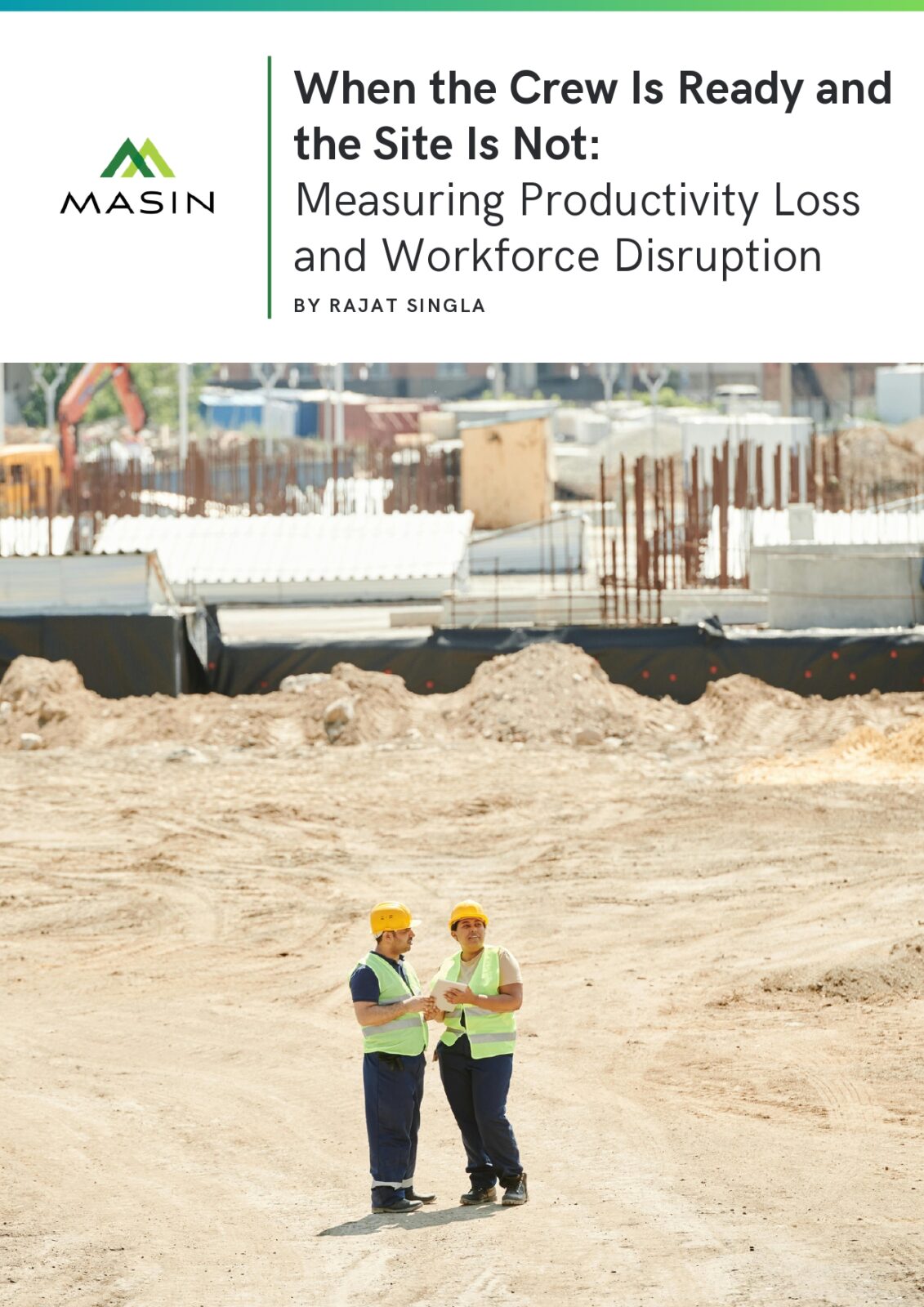
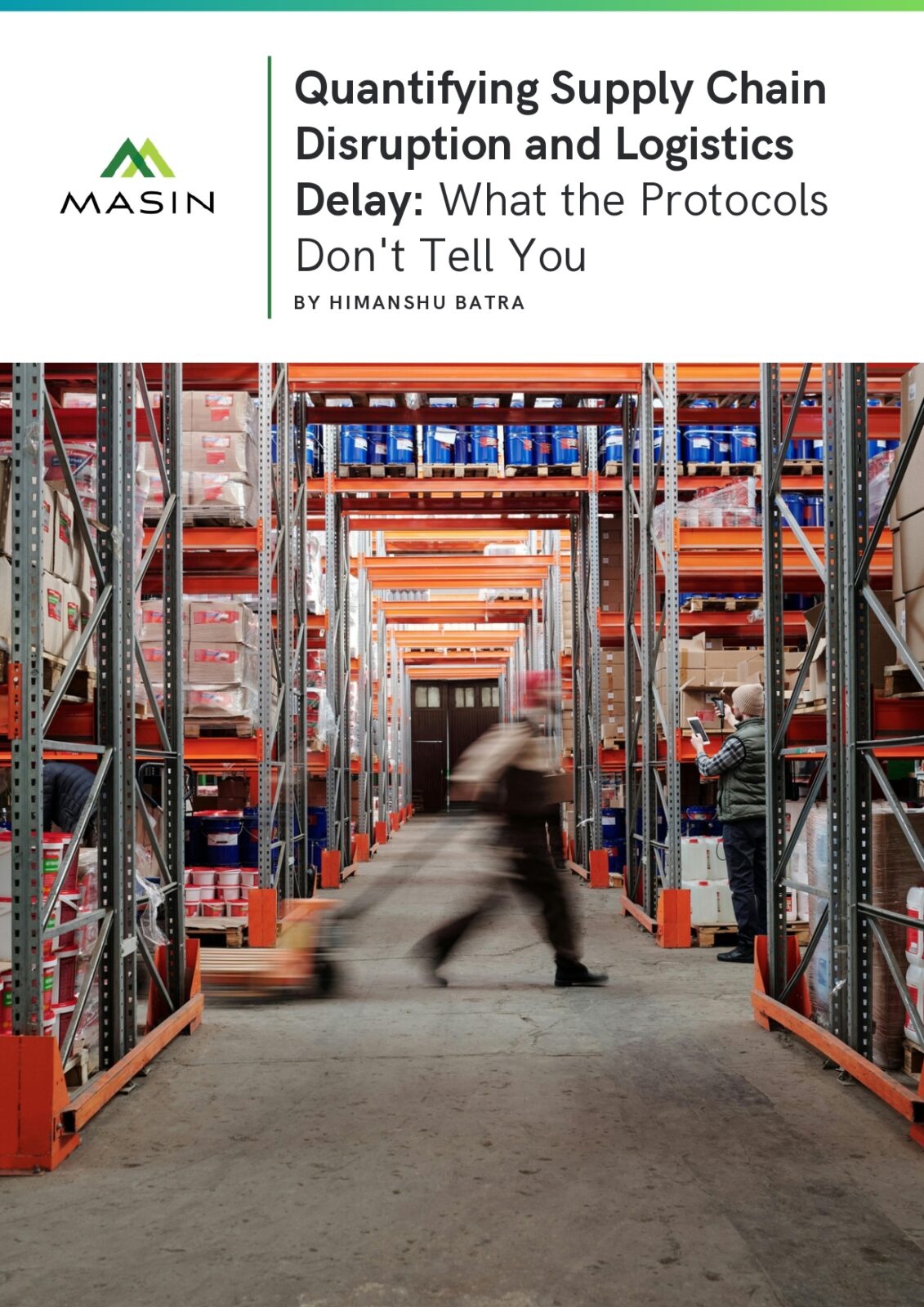
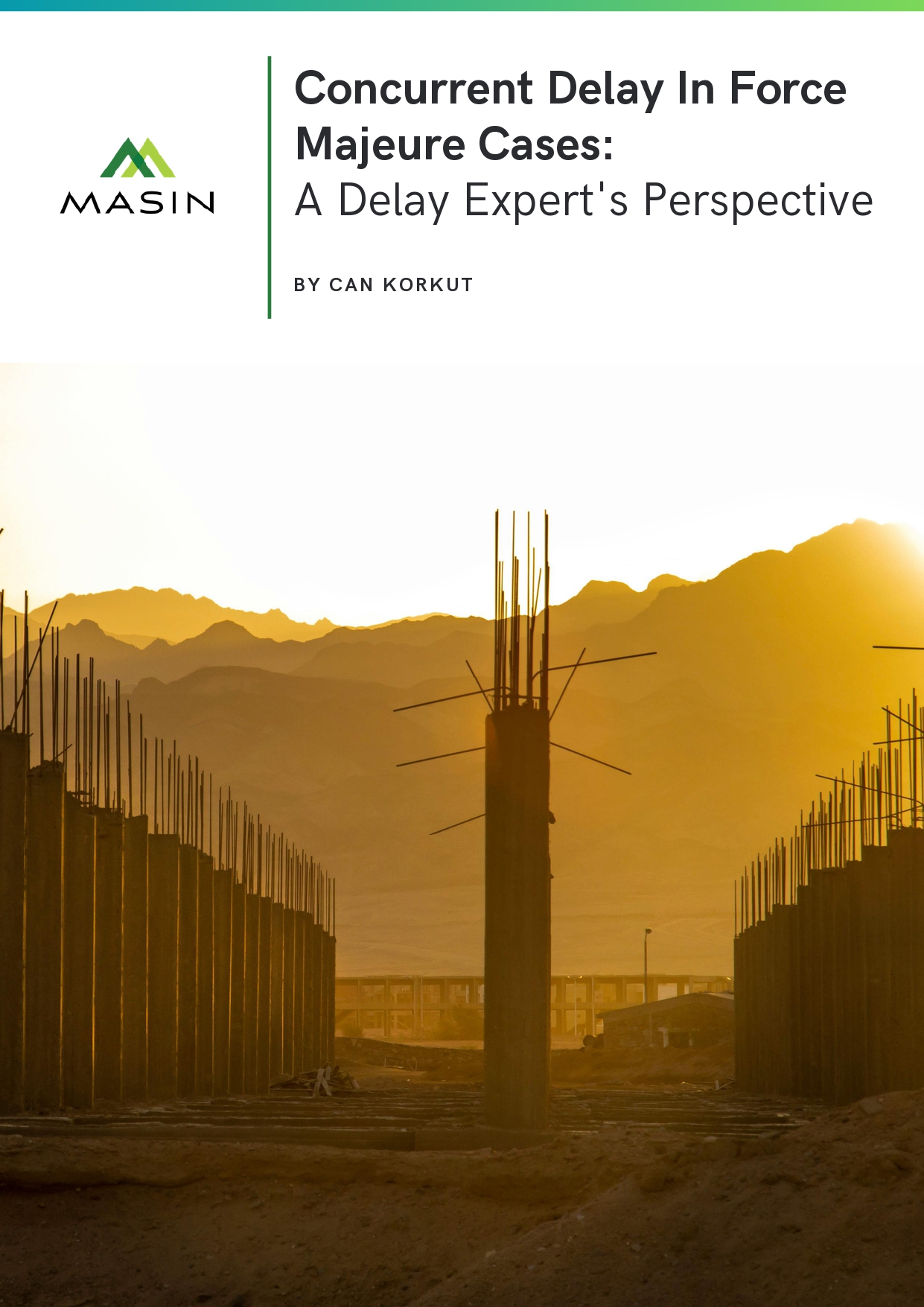
Get the complete series
Four expert guides, one download. New pieces as they publish.
Your series is ready.
All four guides are below, open any of them now. We have also emailed you a copy for later.
Why we built this series
The world's disruptions reach business first: geopolitical shocks, broken supply chains, force majeure, lost connectivity.
So Masin brought its specialists together and turned that risk into clear, practical insight, packaged as readable pieces you can act on. Sachin Kerur introduces the series.

Where disruption meets the numbers
Each piece tackles a forensic problem that the standard protocols and case law leave unresolved.
Disputes arising from geopolitical disruption
When geopolitical shocks ripple outward, projects feel it fast: stalled shipments, fresh sanctions, and disruption across construction, energy and infrastructure works. The forensic questions that follow are rarely simple: was the event genuinely a force majeure event, did it actually delay the critical path, and how is the resulting loss measured?
The Conflict-Impact Series sets out how delay and quantum experts approach those questions, from force majeure causation and concurrent delay to supply chain disruption, productivity loss, and prolongation costs. Each piece is grounded in the SCL Protocol, AACE guidance, and how tribunals actually weigh evidence.
For live matters, Masin advises on international arbitration, construction claims and contracts, and quantum across oil and gas, power and energy, and maritime projects.
Force majeure and disruption: common questions
When does a disruptive event count as force majeure?
Can we claim an extension of time for shipping and logistics delays?
Are sanctions-related supply chain delays recoverable?
Does concurrent delay affect a force majeure claim?
What records strengthen a disruption claim?
Read every piece, and get the next ones first
Four expert guides in one download, plus new pieces as they publish.
Get the series →